 Mattresses
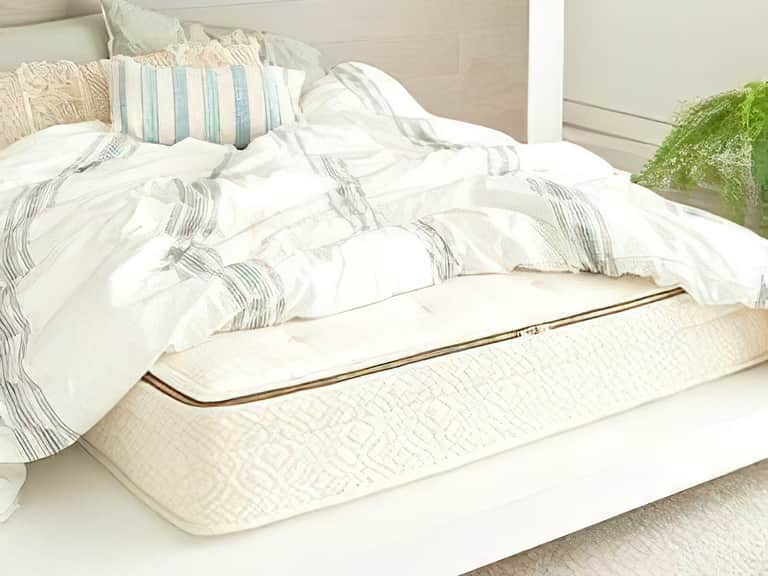
Naturepedic Azure Hybrid Organic Mattress
Experience personalized comfort with Azure: dual firmness, natural, breathable materials, and tailored support for a healthier, restorative night’s sleep.
Hybrid mattresses combine multiple comfort technologies to balance contouring support with edge stability, making them suitable for a variety of sleep preferences. In this category, materials such as latex, memory foam, and hourglass coils work together to provide pressure relief, targeted spinal alignment, and durable responsiveness. Understanding their layered construction helps buyers evaluate suitability for different sleeping positions and firmness needs.
Walnutbed's coverage of hybrid mattresses highlights key features like coil support cores paired with cushioning layers, which contribute to improved airflow and temperature regulation. For example, nature-inspired materials and breathable fabrics can enhance comfort during longer rest periods, while zoned coil systems adapt to different body regions for consistent support throughout the night.
Important considerations in hybrid mattresses include firmness options, motion isolation, and durability. A well-designed hybrid minimizes partner disturbance while maintaining ease of repositioning. Look for products that balance conforming foams with robust coil systems to deliver a stable feel that supports the spine in various sleep positions, from back to side sleeping.
Among notable hybrids, the Naturepedic Azure Hybrid Organic Mattress stands out for its organic materials and safety-focused construction. It combines a supportive coil unit with organic cotton and latex-like comfort layers, delivering a responsive surface that reduces pressure points and supports healthy sleep posture without compromising durability.
For broader sleep system compatibility, hybrid designs often align with various foundations and frames, including adjustable bases when appropriate. They may also complement other room furnishings, such as benches and ottomans in a coordinated furniture setup. In this context, understanding material choices, certifications, and ergonomic benefits informs long-term comfort and room usability.
Mattresses