Choosing Natural Materials for Sustainable Bedroom Design
Explore how natural materials like walnut wood, organic textiles, and low-VOC finishes can create a calming, healthy sleep space. This guide offers practical tips for beginners seeking sustainable design solutions without sacrificing style.
In a world where design often leans toward fast, glossy finishes, a return to natural materials can feel like a breath of fresh air. Walnut, in particular, carries a tactile warmth and enduring presence that can ground a room the way a favorite memory grounds a person. When you design a bedroom around natural materials—especially wood with honest grain, matte textures, and non-toxic finishes—you’re not just decorating; you’re cultivating a sense of wellbeing. The WalnutBed.com approach to interior spaces centers on sustainability, material honesty, and a calm, spa-like atmosphere that supports restorative sleep.
This article expands on the concepts of using walnut wood as a design motif, pairing it with organic textiles, low-VOC or water-based finishes, and thoughtful, sound-quieting textures. We’ll cover practical sourcing tips, care guidance to extend the life of natural elements, and beginner-friendly mood-board ideas that help you translate a concept into a room you’ll love waking up in.
Walnut: The Heart of Earthy Sophistication
Walnut is prized for its rich, chocolate-brown tones, subtle purple hue, and the way its figure shifts with light. It ages gracefully, developing a deep, warm patina that enhances the sense of natural luxury in a bedroom. Beyond beauty, walnut is a durable hardwood with stable properties that make it suitable for bed frames, nightstands, slat foundations, and storage pieces. When used in larger quantities, walnut can set a room’s tone—calm, grounded, and refined—without feeling heavy or dark.
Practical tips for incorporating walnut into a sustainable bedroom design:
- Choose responsibly sourced walnut: look for FSC-certified or equivalent certifications that ensure forests are managed for long-term ecological health.
- Prioritize finishes that are low in volatile organic compounds (VOCs). Water-based or natural oil finishes preserve wood’s character while minimizing indoor air pollutants.
- Balance walnut with lighter neutral textiles to prevent the room from feeling heavy. Think warm whites, taupes, and soft creams that let the wood grain shine.
- Use walnut as an accent material rather than the sole focal point. A walnut bed frame or dresser paired with oak, ash, or maple pieces creates a harmonious, layered look.
Choosing a walnut bed as a centerpiece can be particularly impactful. A platform bed with clean lines and a subtle oil finish keeps the room airy while showcasing the wood’s natural grain. This approach aligns with a sustainable, low-toxin philosophy that prioritizes longevity and repairability over disposable trends.
Textiles and Finishes: The Sensory Foundation
Textiles in a sustainable bedroom should honor both comfort and environmental responsibility. Organic cotton, linen, and hemp with minimal processing offer breathable, durable options for bed linens, curtains, and upholstery. Look for GOTS-certified organic fabrics or OEKO-TEX Standard 100-certified textiles when possible. Natural fibers contribute to a healthier sleeping environment by reducing synthetic off-gassing and preserving air quality.
Finishes on wooden pieces matter almost as much as the wood itself. For walnut or other hardwoods, oil or water-based finishes that resist yellowing over time help maintain a timeless look. Avoid high-VOC stains and polyurethane-heavy topcoats if your goal is a quiet, breathable room. In practice, you might select a walnut bed with a matte, hand-rubbed oil finish paired with linen or cotton bedding in soft neutrals to achieve a serene, spa-like mood.
Care tips for textiles and finishes:
- Wash linens with mild, plant-based detergents to minimize chemical exposure.
- Spot-clean wooden surfaces with a soft cloth and a small amount of recommended oil for maintenance; avoid harsh solvents.
- Dust weekly using a microfiber cloth to prevent buildup that can dull finishes and irritate sleepers.
- Reapply oil finishes as recommended by the manufacturer to maintain the protective layer and the wood’s luster.
Mixing Walnut with Textiles, Metals, and Finishes
A successful sustainable bedroom design often relies on a restrained palette where natural materials complement one another. Here are approachable pairings that elevate walnut without overwhelming the space:
- Walnut + flax linen + brass details: The warm wood tone plays beautifully against the soft texture of flax linen, while brass hardware adds a touch of quiet sophistication.
- Walnut + organic cotton in dove gray or ivory + matte black metal legs or accents: A contemporary, calm aesthetic with an urban edge.
- Walnut + oak or maple contrast: Lighter woods create depth and help each piece feel distinct yet cohesive.
- Walnut + natural fiber rugs (jute, sisal) and wool throws: Textural variety grounds the space and enhances acoustic comfort.
Mood-board quick-start: start with a walnut centerpiece (bed frame or dresser), add textiles in your chosen neutral, incorporate a single metal accent (brass or black steel), and finish with a rug that provides warmth and sound absorption. This approach creates a balanced room that feels intentional and serene.
Sourcing Ethically and Caring for Natural Elements
Sourcing is a crucial part of sustainable design. Look for furniture makers who emphasize responsibly harvested wood, transparent supply chains, and finishes that meet environmental standards. If you’re shopping online, verify certifications and read about the manufacturer’s stewardship practices. When furniture is built to order, you often gain the benefit of a longer-lasting piece that is tailored to your space and preferences, reducing the impulse to replace items frequently.
Care is a core part of longevity. Walnut, when finished with a natural oil, benefits from periodic maintenance to preserve its beauty. Simple steps include cleaning with a soft cloth, applying a thin layer of the appropriate oil as recommended by the maker, and avoiding direct sun exposure on the finish for extended periods, which can lead to uneven color changes over time.
In addition to wood, consider sustainable storage solutions and eco-friendly textiles. A low-profile walnut bed paired with a chest or nightstand in a similar tone creates coherence, while storage options in natural materials—like cotton or jute baskets—keep clutter out of sight and contribute to a calmer sleep space.
Beginner’s Steps to a Walnut-Inspired, Sustainable Bedroom
- Define your palette: Start with walnut as the anchor color and add two or three neutrals (ivory, warm gray, sage) to create depth without visual noise.
- Choose a focal walnut piece: A bed frame, dresser, or nightstand that will anchor the room. Ensure the finish is low-VOC or natural oil for a healthier interior.
- Layer textures: Introduce textiles in linen, cotton, or wool to soften the space and improve acoustics.
- Incorporate complementary materials: Metals in brass or matte black, and softer textiles, to create a balanced, multi-dimensional look.
- Evaluate light and air quality: Use window treatments that diffuse natural light and consider air-purifying plants to enhance a sense of calm.
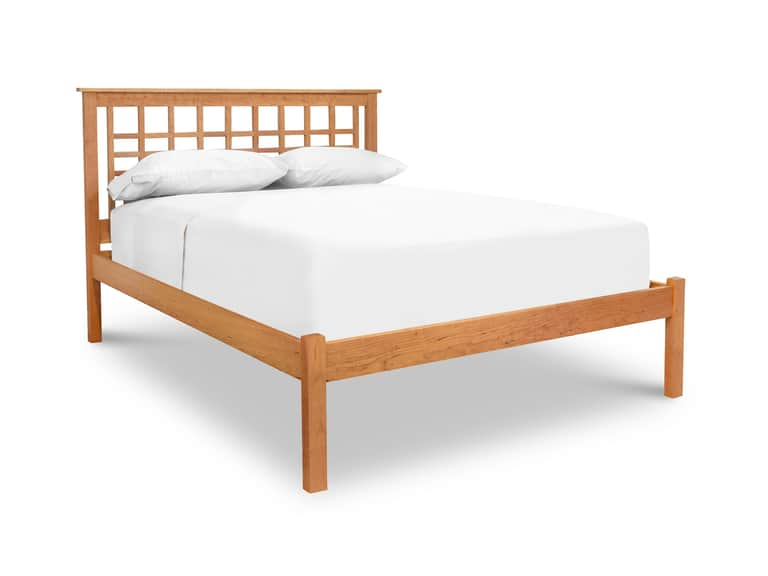
A practical starting point could be a Glastenbury Platform Bed in walnut or walnut-accent tones (if you’re exploring ready-made options) paired with linen bedding and a simple, natural-fiber area rug. This approach keeps the focus on high-quality materials and sustainable craftsmanship, while still delivering a polished, magazine-worthy bedroom that feels intimate and lived-in rather than showy.
Wellness: How Natural Materials Support Sleep and Mood
Natural materials aren’t only about aesthetics; they influence air quality, humidity balance, and psychological comfort. Wood, when used with non-toxic finishes, tends to off-gas less than many synthetic materials. Natural fibers like wool, cotton, and linen tend to regulate moisture and feel more breathable against the skin. A bedroom designed with walnut and other earth-toned materials can create a sense of ritual and safety—two key components of healthy sleep.
Design choices that reinforce wellness include limiting electronic clutter, selecting low-glare lighting, and using warm, subdued color palettes that reduce cognitive load before sleep. The result is a room that invites slower breathing, steadier heart rate, and a calmer mind as you prepare for rest.
Product Spotlight: Walnut-Influenced Pieces That Align with Sustainable Design
Among the pieces in WalnutBed.com’s collection, the Glastenbury Platform Bed stands out as a thoughtful centerpiece. Its solid wood construction and eco-friendly oil finish align with a design philosophy that values durability and restrained elegance. The bed’s mission-style legs and Arts and Crafts-inspired headboard and footboard echo traditional craftsmanship while remaining relevant in contemporary interiors. It’s a practical example of how a walnut-forward design can anchor a room without overpowering it.
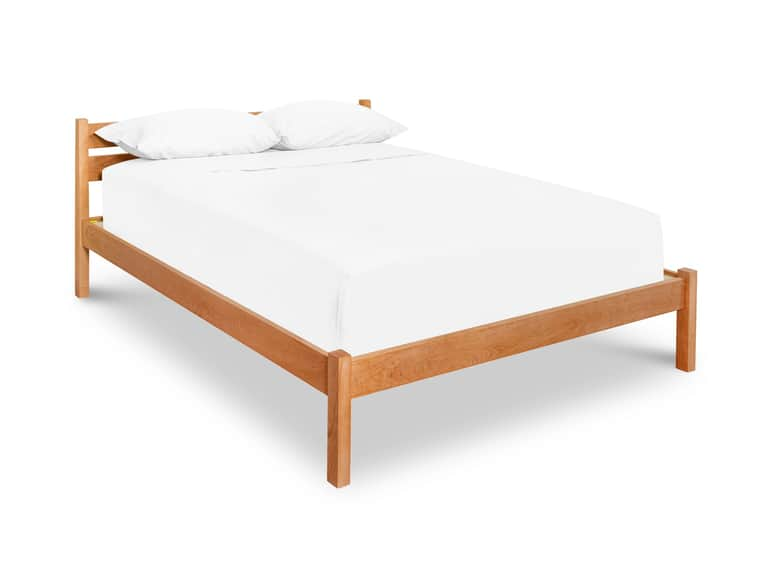
Another compelling option is the Modern Craftsman Low Footboard Bed, a bedframe that emphasizes clean lines and a contemporary take on enduring woodwork. This piece underscores how walnut, cherry, or maple can be used interchangeably to achieve different tonal effects while keeping a shared ethos of longevity and honest manufacturing.
For readers seeking a lighter, more flexible platform, the Vergennes Platform Bed offers another Vermont-made example: solid wood, subtle oil finish, and a design that accommodates modern bedrooms while staying rooted in traditional methods. These options demonstrate how walnut-inspired aesthetics can translate into a cohesive, sustainable bedroom design, whether you prefer a bold focal point or a quiet, understated foundation.
If you’d like, you can explore the products directly via their links to see how each piece is described and how it can fit into your space. The aim is to select items that harmonize with your sustainable palette and design goals, rather than chasing trends that don’t align with your values.
Closing Thoughts: Crafting a Calm, Sustainable Bedroom
A sustainable bedroom design begins with a concept: natural materials, honest construction, and a calm environment that supports rest and renewal. Walnut serves as a powerful anchor because its warmth invites comfort, its durability promises longevity, and its grain carries the story of the tree’s life. When paired with organic textiles, low-VOC finishes, and mindful layout choices, a walnut-inspired space becomes more than a room—it becomes a daily ritual of self-care and environmental respect.
Remember that sustainability isn’t a single product or a single decision; it’s a continuous practice. From how you source your furniture to how you care for it and how you curate the room’s textures and light, every choice matters. If you’re starting from scratch, begin with one focal piece in walnut and build around it. If you’re updating a space, consider swapping in natural fabrics, swapping out synthetic finishes for water-based options, and simplifying the layout to reduce visual noise. Small steps add up to meaningful change for your space and for the planet.
Ultimately, WalnutBed.com’s recommended direction champions a non-commercial, education-forward approach to interior design where natural materials lead the way. It’s about crafting a bedroom that is beautiful, functional, and kind to the environment—an environment that supports restful nights and energized days.
Additional Resources and How to Start
To begin building your walnut-inspired, sustainable bedroom, consider creating a simple mood board that centers on walnut tones, organic textiles, and a few metallic accents. If you’d like more structure, a starter content calendar or a brief site map can help you plan educational posts, how-to guides, and product spotlights that align with your identity.
If you want to know more about specific items that fit this direction, the Glastenbury Platform Bed and Modern Craftsman Low Footboard Bed offer real-world examples of how walnut can anchor a sustainable design. Both pieces prioritize durable construction and natural finishes, reinforcing the idea that good design is a long-term commitment rather than a fleeting trend.