Bedroom design · Hardwood furniture
What Makes Maple Corner Woodworks’ Shaker Beds Feel Timeless?
Some bedroom styles chase the moment. Shaker-inspired beds take a quieter route: clean lines, thoughtful proportions, and honest materials that let the room feel settled rather than styled to a deadline. At Maple Corner Woodworks, details such as tapered posts, eased edges, and practical platform construction give that simplicity its character.
Published October 24, 2026
A bed is more than the largest piece of furniture in a bedroom. It sets the room’s visual pace, determines how much floor space remains open, and influences the colors and textures that feel at home around it. That is one reason a Shaker-style frame can be so appealing. It has enough definition to anchor a space, but it does not demand that every other choice follow its lead.
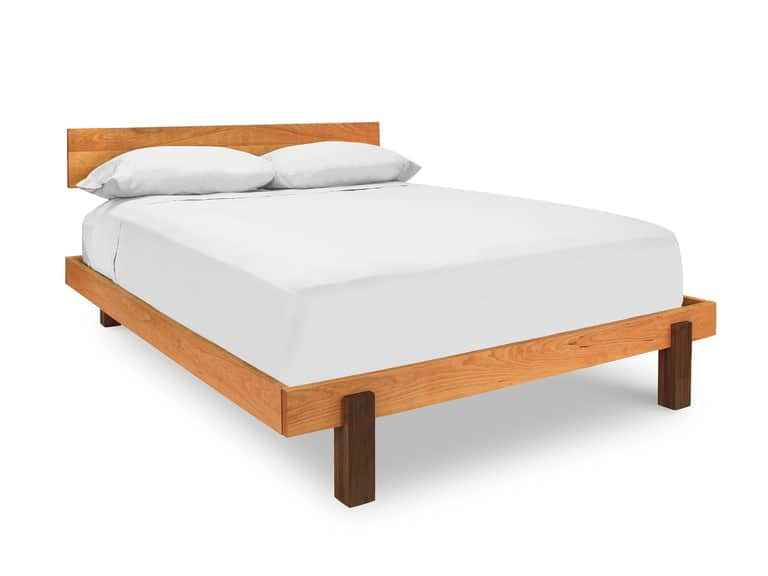
Maple Corner Woodworks’ Shaker-inspired beds make that balance tangible. Their appeal comes not from ornament piled on ornament, but from considered choices: hardwood selected for its grain and tone, carefully shaped edges, tapered details, and a platform foundation designed to support a mattress without requiring a box spring. The result can read as traditional, contemporary, or comfortably somewhere in between, depending on the wood, finish, and surrounding decor.
For anyone planning a restful, natural-feeling bedroom, these details matter. A beautiful frame should feel right in the room, but it also has a practical job to do every night. Here is a closer look at the design language behind these hardwood bed frames—and how to decide whether it suits your home.
The appeal of a bed that knows when to stop
Shaker furniture is often associated with restraint: uncluttered forms, balanced proportions, and construction that emphasizes usefulness. That does not mean it has to look plain. When decorative gestures are kept selective, a small shift in a leg, edge, or panel can become more noticeable. The frame feels expressive because its details have room to breathe.
On a Shaker-inspired bed, tapered posts can lend a sense of lift and refinement without making the structure feel delicate. Eased edges soften the meeting points between components and make the overall profile feel less severe. A carefully proportioned headboard gives the bed presence while avoiding the visual weight of a heavily carved design.
This quiet approach is especially useful in a bedroom, where too many competing shapes can make the space feel busy. A restrained bed frame can sit comfortably beside patterned bedding, a favorite artwork, or a vintage bedside table. It can also give a simpler room the visual structure it needs without filling every corner with decoration.
Timelessness, then, is not the absence of personality. It is the ability of the design to remain adaptable. A simple silhouette can evolve with new linens, a different wall color, or a move to another home. Rather than locking the room into one period or trend, it offers a steady starting point.
Small details, big difference
At first glance, two hardwood beds may seem nearly alike. Spend a little time looking at their outlines, though, and the distinctions become clearer. The way a post narrows, how a rail meets a headboard, or whether an edge is eased rather than sharply squared can change the mood of the entire frame.
Tapered details tend to draw the eye gently downward, helping a substantial piece feel more graceful. Eased edges introduce a softer touch, especially in a room with hard lines elsewhere, such as square nightstands or a geometric rug. Panel details, meanwhile, can add depth and structure while keeping the face of the bed relatively calm.
These choices also affect how a frame pairs with other furniture. A bed with more pronounced traditional cues may feel at home among classic dressers and warm textiles. A cleaner, more contemporary Shaker interpretation can work alongside minimal lighting and crisp bedding. Neither direction has to be rigid; the goal is to create a room that feels coordinated, not matched piece for piece.
When considering a frame, look at it from the doorway as well as up close. From across the room, its overall silhouette will do most of the work. Near the bed, the details become part of the everyday experience—visible when making the bed, changing the sheets, or simply passing by. Good design makes both views feel considered.
Cherry, maple, or walnut: choosing the room’s natural mood
One of the most personal decisions is the wood itself. Maple Corner Woodworks’ Shaker-inspired designs are offered in natural cherry, maple, or walnut, giving the same general design language three distinct ways to live in a room. Wood is not a neutral backdrop; grain, color, and finish all influence how a bed relates to its surroundings.
Cherry can bring warmth and visual richness to a bedroom. Its character makes it a natural companion for creamy whites, soft greens, and woven textures. If the room already has dark floors or bold wall color, it may provide a grounded counterpoint. As with any natural material, the grain and appearance can vary, so it is worth reviewing available finish and wood samples when possible.
Maple offers a lighter, more understated starting point. It can suit rooms where the aim is to keep the atmosphere open and airy, particularly when paired with pale bedding, natural fibers, or gentle earth tones. Its cleaner visual presence can also help a compact bedroom feel less crowded.
Walnut introduces deeper brown tones and a more pronounced sense of warmth. In a bedroom, it can make a bed feel like a deliberate centerpiece without requiring elaborate detailing. Pair it with a light rug or pale linens for contrast, or echo its richness in a nightstand or picture frame for a more layered look.
There is no universally best choice. Consider the light in the room, the floor color, and the furniture you plan to keep. A piece that looks balanced in a bright showroom may feel more dramatic in a small, north-facing bedroom. The most satisfying choice is the one that feels harmonious in your actual space—not simply the one that looks most impressive on its own.
A hand-rubbed finish lets the wood stay the star
Finish has a quieter job than color, but it is just as important. Maple Corner Woodworks describes its beds with natural, hand-rubbed finishes, including a linseed-oil-based finish for some designs. The intention is to protect the hardwood while keeping its natural character visible, rather than covering the grain beneath a highly glossy surface.
A natural-looking finish tends to suit Shaker design because it reinforces the connection between form and material. The surface does not have to compete with the structure. Instead, the wood’s variation becomes part of the design, giving the bed subtle individuality from one piece to another.
It is sensible to ask what finish is specified for the particular frame you are considering, how it should be cared for, and whether the appearance may change with exposure to light and use. Natural wood is not a printed pattern, and variation is part of its appeal. Understanding that before ordering helps set realistic expectations—and makes the first small differences in grain feel like character rather than surprise.
For everyday care, follow the maker’s guidance. In general, a soft cloth and prompt attention to spills are gentler choices than abrasive pads or harsh cleaners. The right maintenance routine depends on the finish, so avoid assuming that every oil-finished surface should be treated in exactly the same way.
The practical advantage of platform construction
A bed can be lovely to look at and still frustrate you if its support system does not suit your mattress or daily routine. Platform construction addresses a practical question directly: how will the mattress be supported? Maple Corner Woodworks’ beds are described with wide slats that interlock with hardwood dowels on the side rails. This design is intended to create a stable foundation without requiring a box spring, though some models can be made for use in a box-spring setup.
The arrangement can make a bedroom feel simpler by reducing the number of separate components under the mattress. It may also be appealing to anyone who prefers the lower, more streamlined look often associated with platform beds. But compatibility should never be assumed. Check the mattress maker’s foundation requirements and confirm that the particular frame’s slat arrangement is suitable for your mattress type.
Support details deserve attention, too. The product descriptions note heavy-duty cast hangers joining the side rails to the headboard and footboard. For king and California king sizes, some designs use an additional hardwood reinforcement beneath the slats. Those details speak to the structure of the frame, while the final fit still depends on choosing the right size and assembling it according to the instructions.
Practical considerations can shape the room just as much as style. Think about the bed’s height, how easily you can get in and out, and whether you want open space beneath the frame for cleaning or storage. A platform bed can offer a clean-lined look, but the height of the mattress and the frame together will determine the finished proportions.
A closer look at the Burlington Shaker High Footboard Bed
For a concrete example of the style, the Burlington Shaker High Footboard Bed brings together solid cherry, maple, or walnut, an eco-friendly oil finish, and clean Arts and Crafts lines. Its high footboard gives the bed a more defined outline than a low-profile design, making it a strong option for people who want the frame to have a noticeable presence.
The choice of wood lets the same silhouette shift in character. Walnut can make the frame feel rich and grounded; maple can keep it visually lighter; cherry offers a warm middle path. The high footboard, meanwhile, changes the bed’s proportions and how it reads from the foot of the room. That can be a handsome feature in a spacious bedroom, but it is worth measuring carefully in a smaller space where the end of the bed may feel close to a doorway or dresser.
This model is listed as handcrafted to order in Vermont, with a stated crafting time of 16 to 20 weeks. For a made-to-order piece, timing is part of the planning—not an afterthought. Confirm current lead times, available sizes, wood choices, finish details, delivery arrangements, and any room-of-choice or assembly services before committing.
The bed is a useful illustration of why Shaker-inspired furniture can feel both classic and personal. The core design remains restrained, but the wood and the footboard’s proportions influence the room’s atmosphere. Its simplicity is not a formula; it is a framework for making considered choices.
How to style a Shaker bed without overthinking it
Start with the feeling you want the bedroom to have. A calm, light-filled room might pair maple with ivory bedding, a textured wool rug, and linen curtains. A warmer, more enveloping retreat could combine walnut or cherry with muted clay, olive, or ochre accents. These are starting points rather than rules; the right palette is the one that works with your light and existing finishes.
Because the bed’s lines are relatively quiet, bedding can introduce softness and texture. Layer a smooth sheet with a quilt or blanket that has a little surface interest. A patterned duvet can add personality without overwhelming the frame, while plain bedding gives the wood grain more room to stand out. The point is not to recreate a catalog scene, but to create a comfortable room that feels lived in.
Choose bedside furniture with proportion in mind. Nightstands that are too tall or too bulky can crowd a simple bed. A pair of modest tables creates symmetry; a single small table or wall-mounted shelf may work better in a tight room. Lighting can do the same job: a lamp with a soft shade brings warmth, while a slender wall light can free up valuable surface area.
Finally, let some space remain empty. Shaker-inspired design rewards restraint, and a bedroom does not need to be filled to feel finished. A clear path around the bed, a favorite piece of art, and a small selection of useful objects can make the room feel more restful than a collection of decorative accessories ever could.
Questions worth asking before you choose
Before ordering a hardwood bed frame, take a moment to check the details that are easy to miss while admiring the design. A simple checklist can help keep the decision grounded in everyday use:
- Will it fit? Measure the room, the bed’s outside dimensions, and the route through hallways, stairways, and doorways.
- Is the mattress compatible? Confirm the mattress manufacturer’s support requirements and the frame’s slat spacing.
- What comes with the frame? Check whether slats are included, whether a box spring is optional, and what assembly requires.
- Which wood and finish are available? Ask about natural variation, care instructions, and any finish options for the specific model.
- How does the height work? Consider the combined height of the frame, mattress, and any foundation you plan to use.
- What is the expected lead time? For made-to-order furniture, verify the current production estimate and delivery details.
These questions are not meant to take the pleasure out of choosing a bed. They help make sure that the piece you love on paper will work in the room where you sleep. A little measuring and checking now can prevent a lot of rearranging later.
Why the style continues to feel right
The lasting appeal of Maple Corner Woodworks’ Shaker-inspired beds lies in how their elements work together. Clean lines keep the profile composed. Tapered details and eased edges provide character without excess. Natural hardwood makes every frame feel connected to the material it is made from, while the finish leaves that grain in view. Platform construction brings the design back to daily use, supporting a mattress with a thoughtfully arranged slat system.
None of those features has to make a bedroom feel formal or precious. The beauty of a restrained bed is that it can absorb change. New bedding can shift the palette; a move can introduce different light; a different nightstand can give the room a new rhythm. The bed remains a steady anchor, not a style decision that dictates every detail around it.
That is what makes a well-considered Shaker bed feel timeless: not a claim that it will look exactly the same in every room, but the promise of a balanced design that can keep making sense as a home changes. Choose the wood that feels right, make sure the frame suits your mattress and space, and let the room grow around it at its own pace.